
As a teen, I got to travel to Paraguay for a mission trip that brought together about 150 teenagers, like myself, from across North America and even Europe. We all went with the shared goal of serving communities in need in a distant land.
Over the course of ten days, we learned how to provide basic medical services, support local communities with educational programs, and build churches. We tried our best to make the short time we were there leave a lasting, positive impact on the people of the area, despite our limitations. Most were poor farmers, teachers, or mothers, but they were kind and welcoming to us.
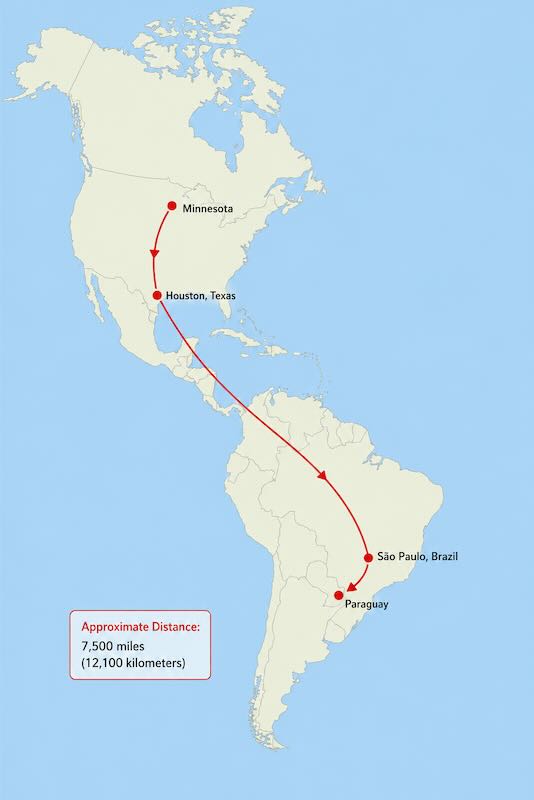
The long flight across America, the Caribbean, and finally Brazil was a tiring thirty-six hours long. At least I had a window seat with a great view of many islands, then heavy rainforests and massive cities. On a Thursday afternoon, we landed in São Paulo, Brazil. We then took a bus across the border, the Paraná River, and into Paraguay. The bridge was heavily guarded by patrols with light security, but the paperwork and questions were surprisingly light. When we arrived that night at a college campus, I was exhausted and immediately passed out in the dorm room I would share with seven other boys.
START WITH FELLOWSHIP THEN GET INTO THE ACTION
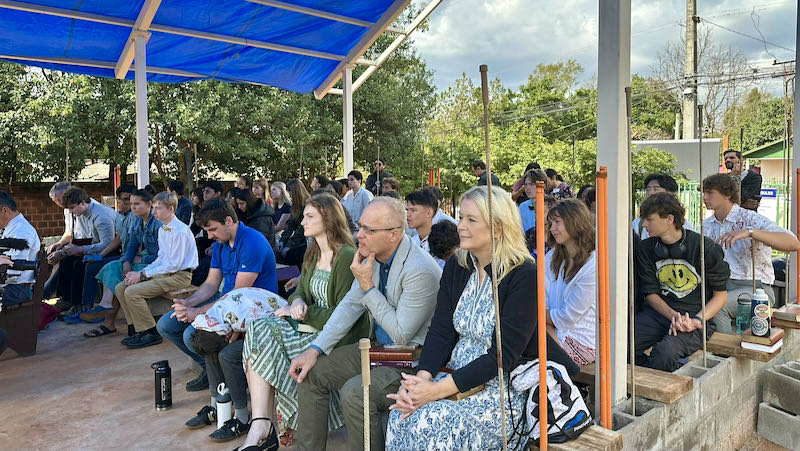
The first weekend consisted mostly of chapel services, singing hymns, and time spent making new friends among the other teens. Traditional Paraguayan meals included empanadas, a cornbread), and chipa guasu, which is a cake made with corn grains, onions, and Paraguayan cheese—my favorite.
I was so eager to get into the action when Monday came! The group divided into smaller teams: construction, VBS (Vacation Bible School), and medical. The construction group was located at five different sites, while the VBS and medical teams rotated to different sites each day. I was accepted to join the medical team, which rotated through five areas, each led by a doctor: pharmacy, eyeglasses, pediatrics, dentistry, and triage. Each day was structured around these rotations, giving us the chance to see different aspects of patient care and community service. I was especially looking forward to the dental rotation.
The mission trip wasn’t just about what we did. It was about showing up and discovering how much impact you can have when you try.
My first rotation was working in the pharmacy, handing out vitamins to kids and pain medicine to those who had just gone through dental care. I still remember the smiles I got back; it made the whole thing well worth it. After lunch, I assisted with fitting eyeglasses. This experience immediately showed the impact of our work in the community. Seeing people react with joy as they could see clearly for the first time in years was something that really touched my heart.
The following day in pediatrics, I worked alongside the doctors treating children and adults for anything from stomach aches to ear infections. I learned how to use a stethoscope to listen to their lungs and heart, counting beats per minute. We did this to check the health of the patient based on the sound of their lungs or the rhythm of their heartbeat. Between patients, I joined the children on the court to play soccer. I could really connect with the locals over games, despite our language and cultural differences.
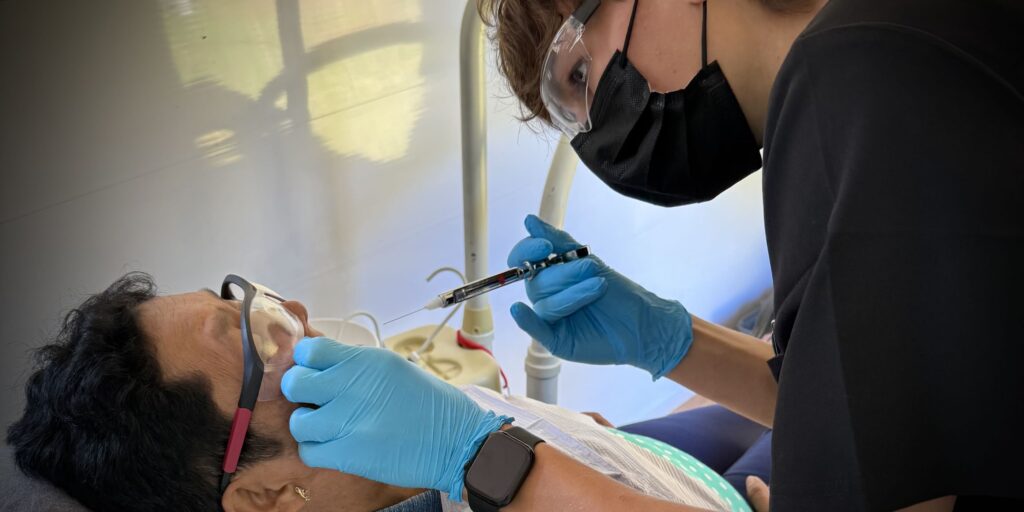
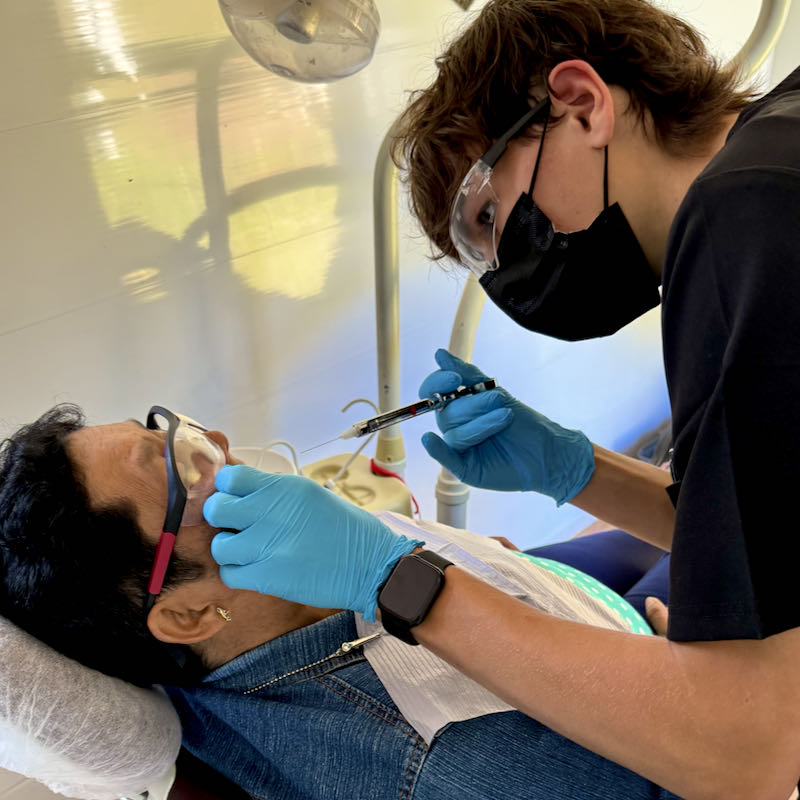
Midweek, I finally rotated to dentistry. I got to give injections and then pull teeth for seven different patients! Many patients had untreated dental issues that had caused discomfort for years, such as rotting teeth, cavities, or aching teeth. It was shocking to realize the lack of dental knowledge in Paraguay. Many of the people who live in more rural areas are not aware of the dangers of improper oral hygiene or could not afford proper care anyway. This was the most inspiring rotation for me. For about a week, I wanted to become a dentist!
My last rotation was triage. In triage, I learned even more skills, such as taking blood pressure and checking sugar and oxygen levels. After documenting this information, I would send the patients to the next station that best suited their needs, where a doctor would take care of them.
SERVING OTHERS • GROWING IN FAITH • BUILDING COMMUNITY
The trip was not only about service but also about growing in faith and building community. Friday, at the end of the week, all the teams gathered for a well-earned shared meal at a local American-style pizzeria. After that, back at campus, we played in a foosball tournament and headed to bed.
That weekend, we joined locals worshiping in one of the newly constructed churches, where a few kids preached using translators and we all sang praises together. Worshiping alongside people from another culture showed me the global nature of faith and reminded me that God’s presence is not bound by geography.
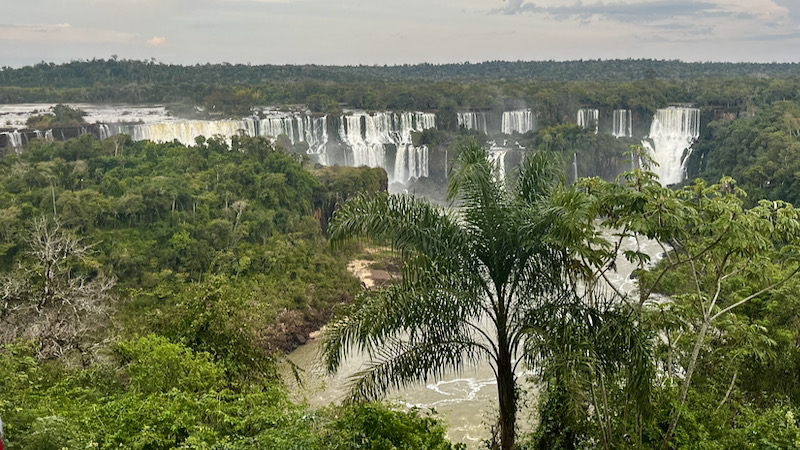
The last day before leaving South America, we visited Iguazu Falls, one of the largest waterfalls in the world, spanning three separate countries: Argentina, Brazil, and Paraguay. (While at the falls, I tried my hardest to lean over the waterfall in order to collect Argentina as a country I had visited!)
As the trip came to an end, I marveled at how big the Creator is and how much He loves each and every one of us. Loving others and doing things for other people is how we can reflect God’s love.
Go, step out, get uncomfortable, meet people who live differently than you, and see how much you learn, how much you can give.
Looking back, the mission trip wasn’t just about what we did. It was about showing up and discovering how much impact you can have when you try. If there’s one thing I would tell anyone, I would say go, step out, get uncomfortable, meet people who live differently than you, and see how much you learn, how much you can give—and even receive—along the way.
Experiences like this don’t just change others; they change you, and the lessons stay long after the trip ends.

This account of traveling and serving others as intentional Christian ministry is the cover story for the Summer 2026 issue of map - A Travel Lifestyle Magazine. The theme for that issue is "I want ..."
Below we have provided some questions for personal reflection and group discussion related to Rylie's travels and the theme.
- In the introduction Rylie shares, "We all went with the shared goal of serving communities in need in a distant land." How does having a "shared goal" influence all aspects of the trip: planning, activities, finances, experiences, outcomes, and new community "long after the trip"?
- Solo travel for younger travelers is ambitious. Fortunately there are well established programs and services to make it safe and impactful. Who do you know that is young and could benefit from such a trip? What challenges would that person likely have to overcome? How can you support that young person to travel and what impact could it make in his or her life?
- When you say, "I want to travel" or "I want to go on vacation" what are the things you want out of a trip? How would serving others and doing ministry lead toward or distract from getting what you want? Given that travel is often a big investment of time, effort and money, how can seeking God for what HE wants for your travel be a compelling way to better maximize that investment?
1 comment
Ryan
Hey Rylie, So glad you could make this trip and learn so much about our world’s Creator along the way. The world is vast, but thank you for taking the time to show us all just how connected we all still can be as one big human family!
Love, Dad